
The honest answer
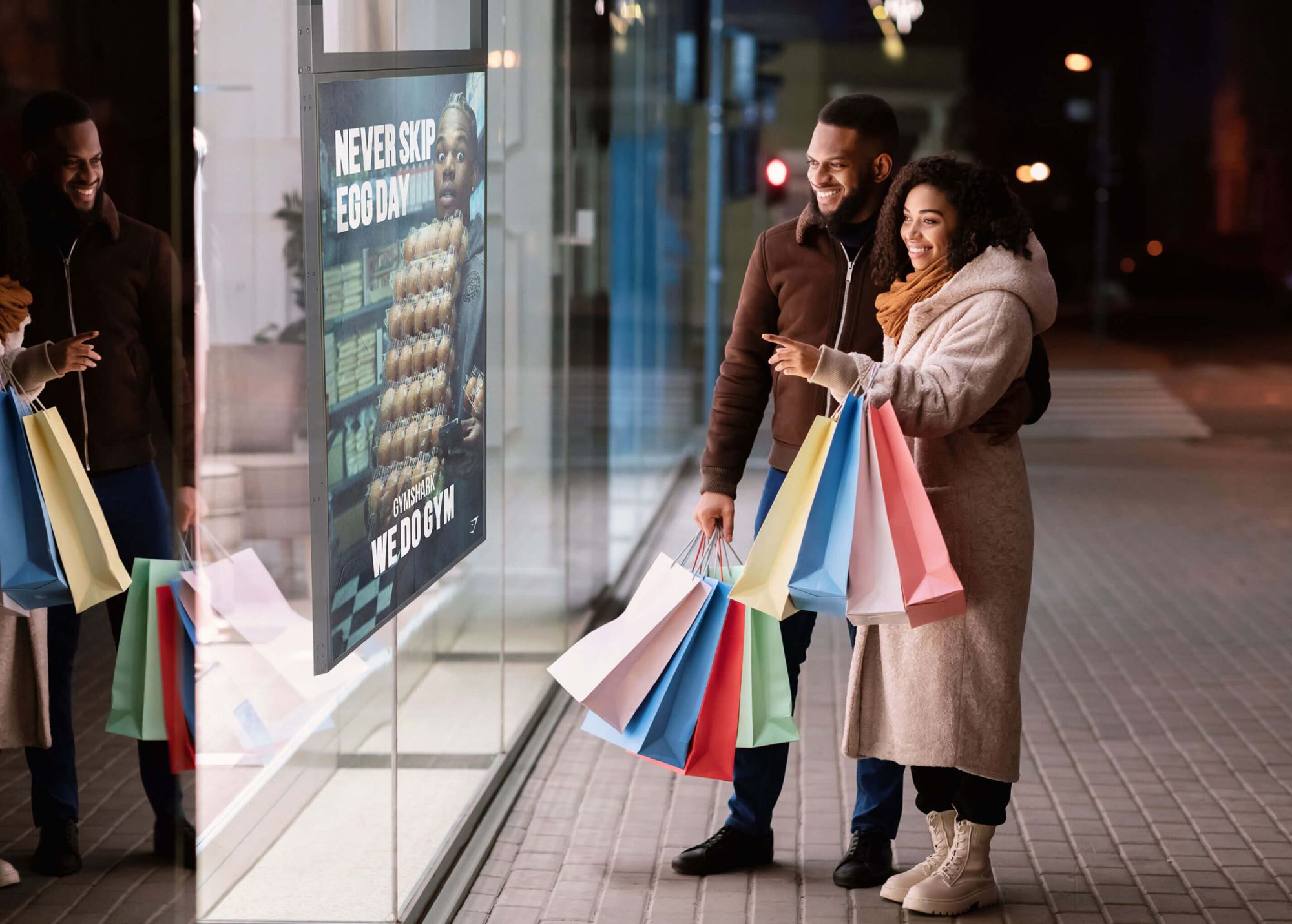
Mall advertising pays off when three things line up: your customers spend time at the venue, they can act on what they see (visit, call, book or buy nearby), and you run long enough for repeat views. When those are true, a display a short walk from your door can be one of the most efficient ways to reach new local customers.
If your buyers are scattered nationwide and only buy online, consider other media first. Mall advertising may still work as part of a wider brand campaign.
Good signs it will work for you
- You're close. Your store, clinic, restaurant, dealership or office is a short drive from the center.
- You fit the audience. Your product or service suits the people who shop there, families, students, professionals, visitors.
- You have a clear offer. Something simple people can remember: a new location, a seasonal special, a free consultation.
- You can stay visible. You can commit to a campaign length agreed with your planner, ideally longer, so shoppers see you on several visits.
- You already advertise online. Place-based displays make your online ads more familiar, and people search for brands they've seen in person.
When to think twice
- Your nearest customer is hours from any venue you could book.
- You need results in days rather than weeks.
- You can't say what you'd like people to do after seeing the ad.
- Your budget only covers a single week. Out-of-home builds through repetition.
What the research says
Industry studies cited across Universal Media's site point the same way:
- 74% of people who visited a store after seeing an out-of-home ad made a purchase (Nielsen, 2019).
- 86% of adults 18 to 64 would take action after seeing a retail out-of-home ad that interests them. (OAAA and The Harris Poll, 2026)
- Out-of-home drove an average 80–120% increase in foot traffic to stores, the strongest result among the channels compared (Cuebiq Footfall Attribution Benchmarks).
- For every $1 spent on OOH advertising, $2.80 in sales resulted, according to a global econometrics study cited on the Advertise Here page.
E-commerce was 17.1% of U.S. retail sales in Q2 2026.
Source: U.S. Census Bureau, 2026
These are industry-wide figures, not a guarantee for any single campaign. Your results depend on venue, offer, creative and timing, which is why measuring matters.
How to measure whether it worked
Set a baseline from the 4 weeks before launch, then compare during the campaign:
- Calls and form enquiries: ask every new customer “how did you hear about us?”
- Searches for your business name and visits to your website from the area around the venue.
- A venue-specific offer or QR code that only appears on the display.
- Store or appointment traffic compared with the same period before.
- Sales of the product you featured, if the ad promotes one item.
Common mistakes that waste a budget
- Too many words. Shoppers glance as they walk. One headline, your name and one next step beats a paragraph.
- The wrong venue. A famous center across town can underperform a smaller one five minutes from your door.
- Running too short. One week rarely builds recognition. Plan for a campaign length agreed with your planner or longer.
- No way to track. Without a dedicated offer, QR code or “how did you hear about us?” question, good results are invisible.
- Mismatched message. Your display, website and social ads should say the same thing, so people recognise you everywhere.
Questions to ask before you book
- Which venue is closest to most of my customers, and how busy is it?
- Where will my display sit: an entrance, food court, escalator or anchor store?
- Is it a dedicated static display or a share of a digital rotation, and how often does my ad appear?
- What are the artwork specifications and deadlines, and can you help with design and printing?
- Can I change my creative during the campaign on digital screens?
A good media partner answers all five plainly. Universal Media's team will, and the How It Works page shows the booking steps.
Start small, then scale
Compare venue, format, production and installation costs in our guide to what mall advertising costs.
If the numbers move, add displays in the same center for more frequency, or add venues across the market. In Salt Lake City, for instance, you could expand from one center to current venues.
Get a recommendation
Tell us your business, area and timing through the quote form. We'll suggest the venue and format most likely to work, and say so if mall advertising isn't the right fit. Browse our markets or the formats first if you prefer.
Common questions
Is mall advertising worth it for small businesses?
Usually, if customers live or shop near the venue and can act on the ad. Start with one display for a campaign length agreed with your planner, measure calls, searches and visits, then expand.
How long before I see results?
Out-of-home builds through repetition, so judge results over the full campaign agreed with your planner and compare them with the weeks before launch.
What kind of businesses do best?
Businesses within a short drive of the center with a clear reason to visit: retailers, restaurants, clinics, dealerships, gyms, real-estate communities, schools and service providers.
How do I track mall advertising?
Use a venue-specific offer or QR code, ask new customers how they heard about you, and compare calls, website visits, name searches and store traffic with the period before.
What does it cost to test?
Get your business seen at this shopping destination.